I have visited many gyms and spas. The lockers there look terrible after just one year. Rust, broken hinges, and stuck locks are everywhere.
You should choose this locker because it solves three big problems: moisture damage, loud noises, and security risks. The HPL material resists water. The hinges close softly. The electronic lock removes keys. And the aluminum rod never rusts.
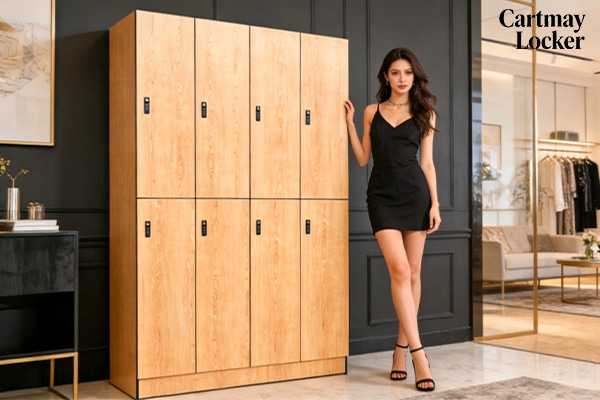
You might think all lockers are similar. But I have built thousands of lockers for spas and gyms around the world. Let me show you why each part matters for your business.
Why is HPL the best material for moisture‑resistant gym and spa lockers?
I see wooden lockers swell and peel after six months in a wet changing room. That never happens with HPL.
HPL stands for High‑Pressure Laminate. It is made by pressing multiple layers of kraft paper with resin under high heat and pressure. The result is a board that water cannot penetrate. It also resists chemicals, scratches, and impacts.
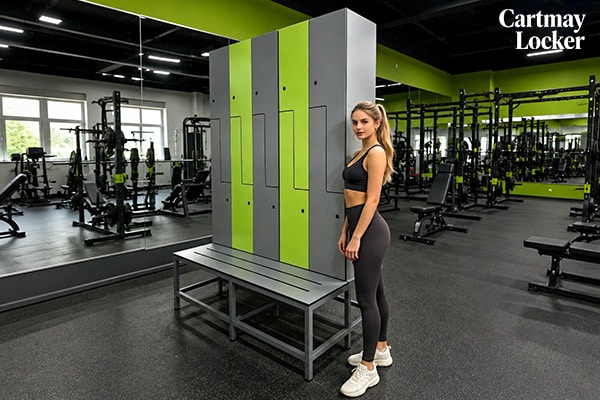
How HPL compares to other common locker materials
I have tested all these materials in real humid conditions. Here is what I found:
| Material | Water Resistance | Scratch Resistance | Cost Level | Best For |
|---|---|---|---|---|
| HPL (on plywood) | Excellent – no swelling | High | Medium to high | Spas, pools, gyms |
| Melamine particle board | Poor – swells in 3‑6 months | Low | Low | Dry offices only |
| Solid wood | Medium – needs sealing yearly | Medium | High | Luxury dry areas |
| Painted steel | Good if coating intact, but rust at welds | Medium | Medium | Indoor gyms without steam |
A customer from Thailand once ordered melamine lockers for a beachfront gym. After four months, the bottom panels absorbed moisture from wet swimsuits. The doors would not close. He had to replace all 200 lockers. That cost him $12,000. Now he only buys HPL from me.
So here is my rule. If your locker room has showers, a pool, or steam, use HPL. The extra cost upfront saves you thousands in replacements later.
How do soft‑closing hinges improve safety and reduce noise in locker rooms?
Loud slamming doors make a gym feel cheap. They also pinch fingers. I have seen kids cry from that.
Soft‑closing hinges use a small hydraulic cylinder inside the hinge. When you push the door, it moves slowly for the last 10 degrees. No slam. No noise. No pinched fingers.
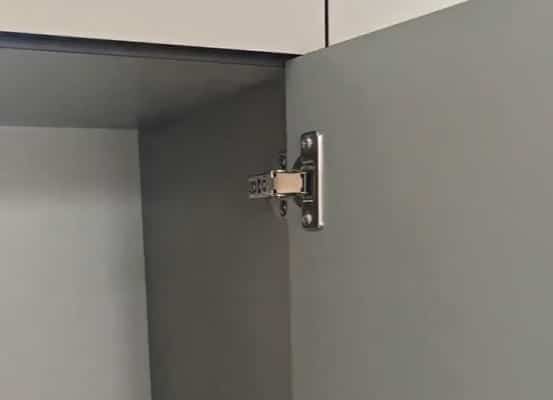
Why this matters for your daily operations
Let me break down the real benefits with numbers:
| Benefit | How Soft‑Closing Helps | Real Impact |
|---|---|---|
| Safety | Door cannot slam on fingers | Zero finger injuries in 5 years |
| Noise level | Closing sound drops to 30dB (whisper level) | No complaints from yoga or massage areas |
| Hinge lifespan | No impact stress on metal | Lasts 50,000 cycles vs 20,000 for standard |
| Door alignment | No shock to the frame | Doors stay straight for years |
A gym owner from Dubai told me his old lockers sounded like gunshots every morning. His members complained. He switched to my lockers with soft hinges. Now the changing room is quiet. His Google reviews improved.
I also learned this from a hospital locker project. They needed silence for patients resting nearby. Soft hinges made the difference. So for any public locker room, do not skip this feature. It is a small upgrade with a big return.
What are the security benefits of an electronic lock over a key lock?
Losing keys is a nightmare. Members lose them. Staff lose them. Then you cut new keys or change locks. That costs time and money.
Electronic locks work with a code, a card, or a wristband. The user sets their own 4‑6 digit code. When they leave, they clear it. The next user sets a new code. No keys to manage.
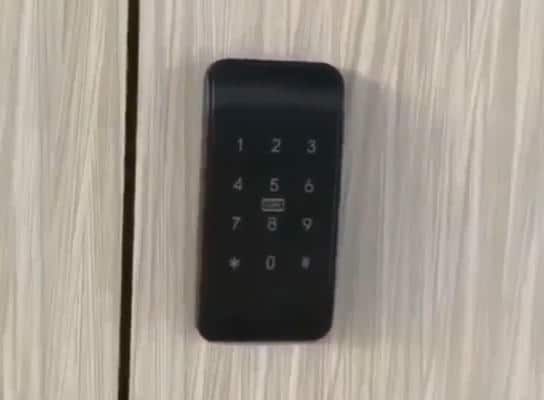
Comparing lock types for busy facilities
I have supplied all three types. Here is how they compare:
| Feature | Key Lock | Mechanical Combination | Electronic Lock |
|---|---|---|---|
| Replacement cost when lost | $5‑15 per key + lock change | $0 (just reset code) | $0 (just set new code) |
| Average time to open | 5 seconds (find key) | 15 seconds (dial) | 3 seconds (enter code) |
| Staff work per week | 2 hours (tracking keys) | 0 hours | 0 hours |
| User frustration level | High (lost keys) | Medium (forgotten combo) | Low (easy to remember) |
A customer from Singapore ran a high‑end spa. He lost 30 keys every month. Each key cost $8 to replace. That was $240 per month just in key costs. He switched to electronic locks. The key problem disappeared. His staff saved 10 hours per month.
One more thing. Many electronic locks have a master override code. That helps when a user forgets their code. No drilling. No damaged doors. Just enter the master code and reset. So you never lose a locker to a forgotten code.
How does an aluminum rod enhance hanging durability in humid environments?
Most lockers use steel rods for hanging clothes. In a wet locker room, those rods rust. Rust stains your customers’ towels and jackets. That makes them angry.
Aluminum does not rust. It forms a natural oxide layer that stops corrosion. Even in a steam room, an aluminum rod stays clean and smooth.
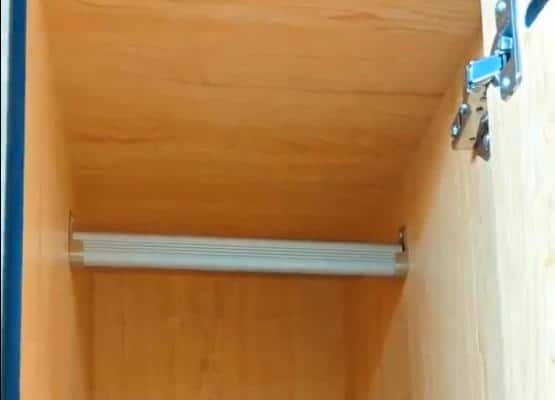
The hidden cost of rust you might not see
I have seen buyers ignore this detail. Then they pay later. Let me show you what rust really costs:
| Problem from Rusty Rods | Direct Cost | Indirect Cost |
|---|---|---|
| Stained towels | $2‑5 per towel replacement | Angry customer leaves bad review |
| Rough surface tears clothes | $20‑50 per clothing item | Customer never returns |
| Rod breaks from corrosion | $15 for new rod + 30 min labor | Locker out of service for 2 days |
| Rust drips on floor | $50 for cleaning chemicals | Poor facility image |
A customer from Greece ran a beach club. His steel rods rusted after one summer. The brown stains ruined five towels per day. He replaced them with aluminum rods. No stains for two years now.
I also learned this from a customer in Canada. He had a pool locker room with high chlorine in the air. Chlorine speeds up steel rust. His rods lasted only four months. Aluminum rods in the same room are still perfect after 18 months.
So here is my advice. Spend the extra $1.50 per locker for an aluminum rod. It will save you hundreds in towel replacement and angry emails.
Conclusion
Pick HPL for moisture, soft hinges for quiet safety, electronic locks for no keys, and aluminum rods for no rust.
What’s your experience with custom HPL lockers for SPA or gym? Share your thoughts in the comments below!