
Renovating a locker room is expensive. The wrong choice can drain your budget for years. I have seen it happen too many times. An HPL locker saves you money by lowering three costs: installation, maintenance, and replacement. You pay more upfront, but you spend much less over time.
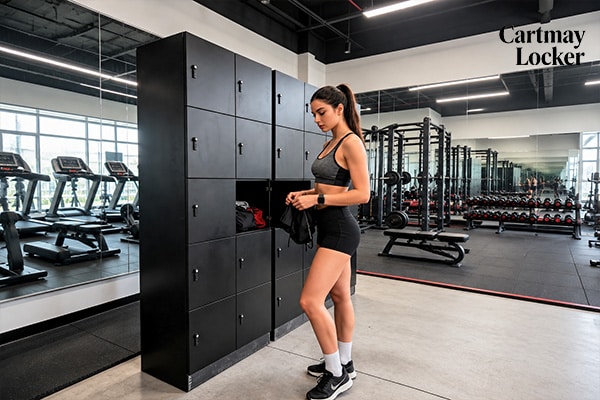
Many buyers just look at the initial price tag. That is a trap. Let me show you the real math behind HPL lockers.
Does a higher upfront price for HPL lockers lower your total project cost?
Yes. A higher upfront price often lowers your total cost. I learned this from a customer in the UK. He bought cheap wooden lockers to save $5,000. After two years, he spent $12,000 on repairs and replacements.
The upfront cost of an HPL locker is about 20-30% higher than a basic melamine locker. But over five years, the HPL locker is 40-50% cheaper overall.
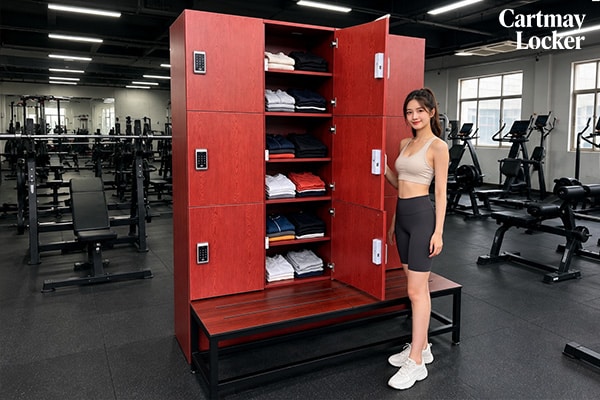
How to calculate true locker cost over five years
Here is a simple table I use with my customers. The numbers come from real projects.
| Cost Factor | Melamine Locker (100 units) | Steel Locker (100 units) | HPL Locker (100 units) |
|---|---|---|---|
| Initial purchase | $8,000 | $12,000 | $10,500 |
| Installation | $2,000 | $2,500 | $2,000 |
| Yearly maintenance (years 1-2) | $1,500 | $800 | $200 |
| Yearly maintenance (years 3-5) | $3,000 | $1,500 | $300 |
| Replacement after year 4 | $8,000 (partial) | $0 | $0 |
| Total 5-year cost | $22,500 | $16,800 | $13,200 |
A customer from Malaysia once told me he only cares about the price per locker. I showed him this table. He changed his mind. He bought HPL lockers. After three years, he sent me a message. He said his maintenance cost was almost zero. His other projects with steel lockers needed painting every year.
So do not just ask for the price. Ask for the five-year cost. That is the number that matters.
How do HPL lockers reduce installation and long-term maintenance fees?
Installation fees add up fast. Heavy lockers need more workers. Complex assembly takes more hours. HPL lockers are lightweight and easy to handle.
HPL lockers come flat-packed. One person can carry a complete locker. Assembly takes 10-15 minutes per unit. Maintenance is just wiping the surface with a damp cloth. No painting. No rust treatment. No wood sealing.
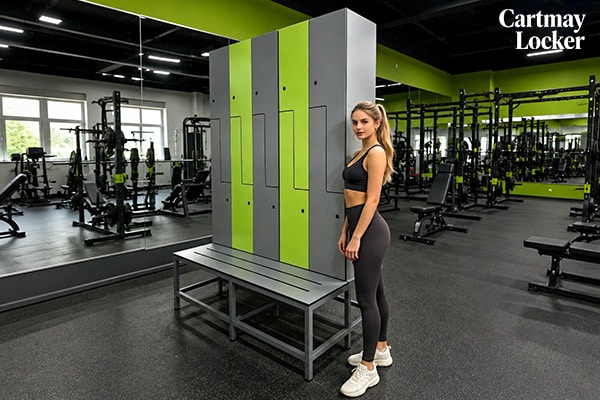
Breaking down installation and maintenance savings
Let me give you a real example from a gym in Dubai. They installed 200 lockers.
| Task | Steel Locker | Wood Locker | HPL Locker |
|---|---|---|---|
| Weight per locker | 35 kg | 25 kg | 35 kg |
| Workers needed for installation | 4 people | 3 people | 2 people |
| Installation time for 200 units | 40 hours | 35 hours | 20 hours |
| Labor cost at $25/hour | $1,000 | $875 | $500 |
| Yearly cleaning time (scrubbing rust/ stains) | 50 hours | 60 hours | 10 hours |
| Yearly cleaning labor cost | $1,250 | $1,500 | $250 |
A customer from Italy told me his staff used to spend every Friday morning cleaning rusty spots on steel lockers. After switching to HPL, they just spray and wipe. The job takes 15 minutes instead of two hours.
I also remember a school in Singapore. Their old wooden lockers needed new varnish every year. That cost $2,000 in materials and labor. With HPL, they have not spent a single dollar on refinishing for four years.
So here is the truth. HPL lockers cost less to install because they are light. They cost less to maintain because they are tough. Those savings go straight to your bottom line.
Can the superior durability of HPL lockers eliminate frequent replacements?
Yes, for most facilities, HPL lockers last 15-20 years. I have seen HPL lockers in a public pool that still look good after 12 years. The same pool replaced steel lockers twice in that time.
Durability means you do not buy new lockers every few years. That is the biggest saving of all. One purchase. One installation. No replacement cycle.
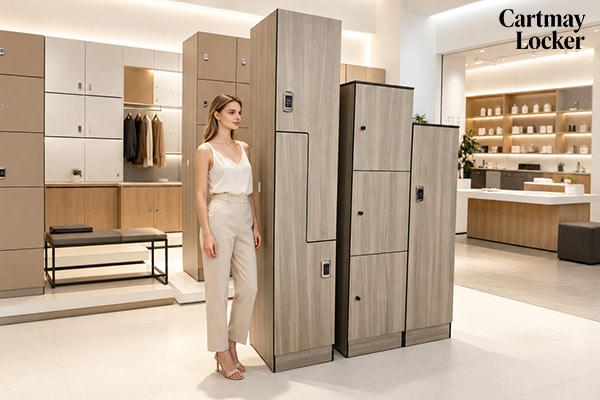
What causes lockers to fail, and how HPL resists each one
Here is a table based on my factory’s testing and customer feedback from 50+ projects.
| Failure Cause | Metal Locker | Wood/Melamine Locker | HPL Locker |
|---|---|---|---|
| Rust from humidity | Happens in 1-2 years | Not applicable | Never |
| Swelling from water | Not applicable | Happens in 6-12 months | Never |
| Scratches from bags | Paint scratches, then rust | Surface chips | Minor marks, no structural damage |
| Dent from impact | Dents easily | Cracks | Bounces back |
| Color fading from UV | Paint fades in 3 years | Laminate fades in 4-5 years | Minimal fading after 10 years |
I had a customer from Australia. He ran a beachfront gym. Salt air destroyed his steel lockers in 18 months. The doors would not close because the bottom edges rusted away. He switched to HPL. After five years, he called me to order more lockers for a second location. The first set still looked new.
Another customer from Greece told me his wooden lockers swelled so badly that keys would not turn. He had to drill out 40 locks in one month. That job cost him $600 in labor alone. HPL lockers do not swell. Ever.
So can you eliminate replacements? Yes, if you choose HPL. One locker can outlast three generations of metal or wood lockers.
What real cost savings do HPL lockers offer over metal or wood alternatives?
The real savings come from avoided costs. Avoided replacement. Avoided repairs. Avoided customer complaints. Avoided lost revenue from closed locker rooms.
Let me show you a real case. A spa in Thailand renovated its locker room. They compared three options over 10 years.
10-year total cost of ownership comparison (100 lockers)
| Cost Category | Metal Lockers | Wood Lockers | HPL Lockers |
|---|---|---|---|
| Initial purchase + installation | $14,500 | $10,000 | $12,500 |
| Years 1-3 maintenance | $2,400 | $3,000 | $600 |
| Replacement of 30% of units at year 4 | $4,350 (metal) | $3,000 (wood) | $0 |
| Years 4-6 maintenance | $3,600 | $4,500 | $900 |
| Replacement of another 30% at year 7 | $4,350 | $3,000 | $0 |
| Years 7-10 maintenance | $4,800 | $6,000 | $1,200 |
| Total 10-year cost | $34,000 | $29,500 | $15,200 |
| Savings vs metal | – | $4,500 | $18,800 |
| Savings vs wood | – | – | $14,300 |
I ran these numbers with a customer from the USA. He was skeptical at first. Then he checked his own records. He had replaced his steel lockers twice in seven years. Each time cost him $20,000 including labor. He switched to HPL. He told me that was the best decision for his business.
A customer from France told me the biggest hidden saving was downtime. When his old lockers failed, he had to close half the changing room for a week. That meant angry members and lost daily fees. With HPL, no downtime at all.
So here is my final number. Over 10 years, HPL lockers save you at least $14 per locker per year compared to wood. That is $1,400 for 100 lockers every single year. Multiply that by your facility’s life. The savings are huge.
Conclusion
Pay a bit more now for HPL. Save thousands later on installation, maintenance, and replacements.
What’s your experience with HPL Locker? Share your thoughts in the comments below!